By Abu Bakarr Thaimu Sesay
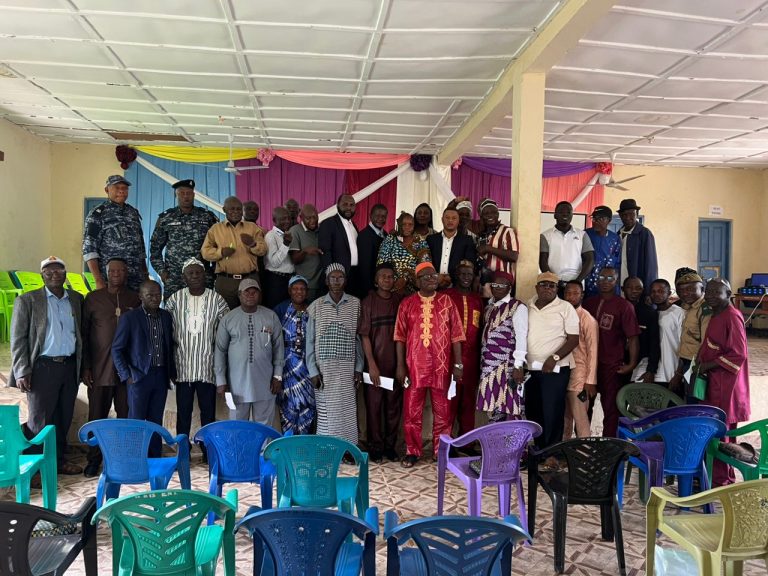
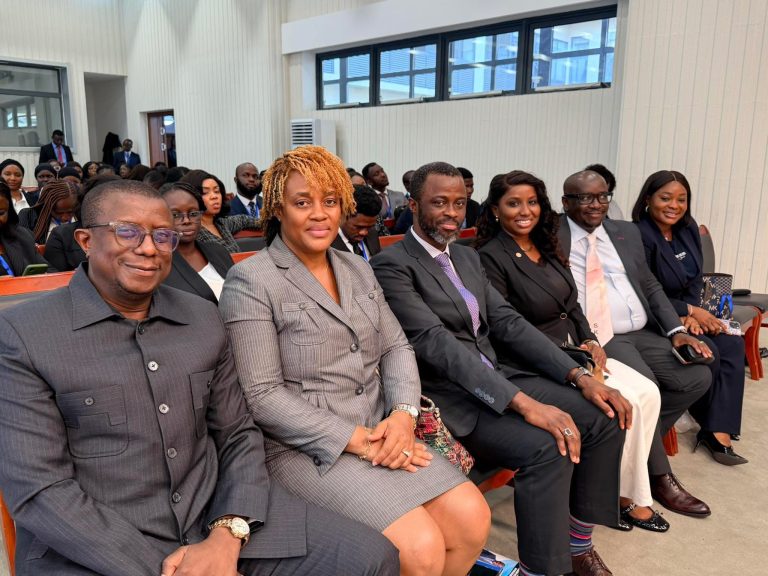
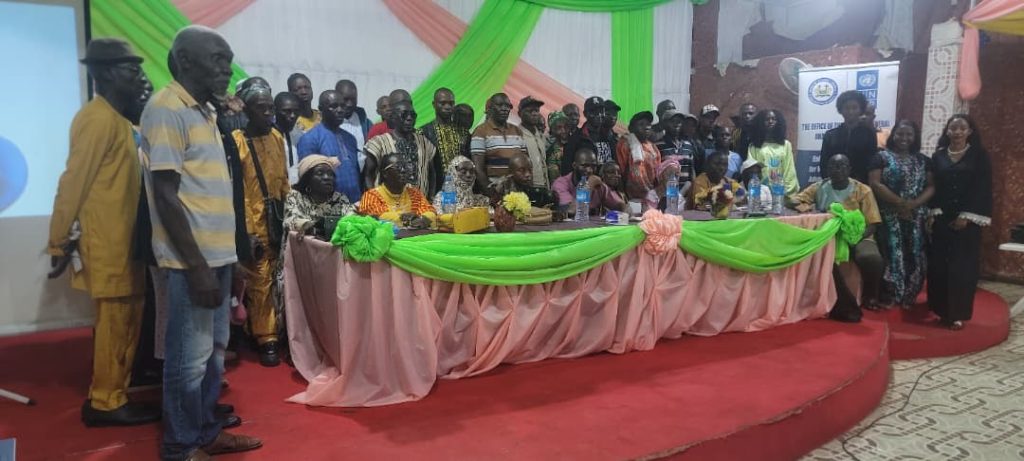
The Office of the Attorney General and Minister of Justice, with support from the United Nations Development Programme (UNDP), has engaged community stakeholders in Moyamba District to identify barriers to justice delivery and explore practical solutions to improve access to justice, particularly for vulnerable and underserved communities.
The engagement was held under the initiative titled “Enhancing Access to Justice for Vulnerable Groups and Advancing People-Centred Justice Reforms” through an Interactive Justice Hub designed to bring justice sector institutions and community stakeholders together to discuss local justice needs, institutional challenges and possible ways of addressing them.
Welcoming participants on behalf of the Paramount Chief, the Paramount Chief’s representative expressed appreciation to everyone for attending and encouraged participants to use the opportunity to openly discuss their justice-related concerns and challenges. She emphasised the importance of meaningful participation in identifying the problems affecting the administration of justice in the district.
In his presentation, Resident State Counsel in Moyamba District, Balla Sesay Esq., explained that the Justice Hub was organised to interact directly with communities, particularly vulnerable groups, to understand their experiences and identify practical ways of addressing the difficulties they encounter when seeking justice.
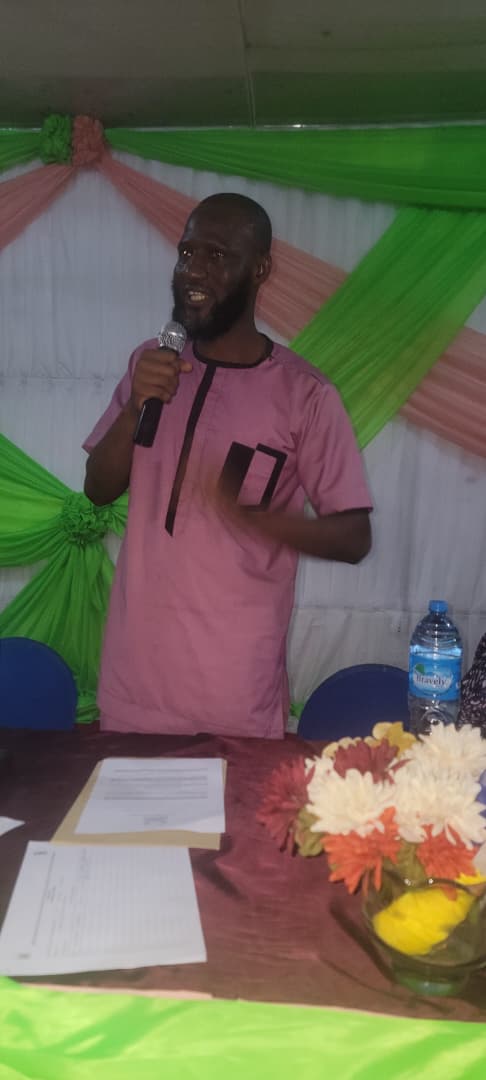
He said the initiative was intended to provide stakeholders with an opportunity to examine existing gaps in the justice system, share their experiences and contribute to developing realistic solutions that would improve justice delivery at the community level.
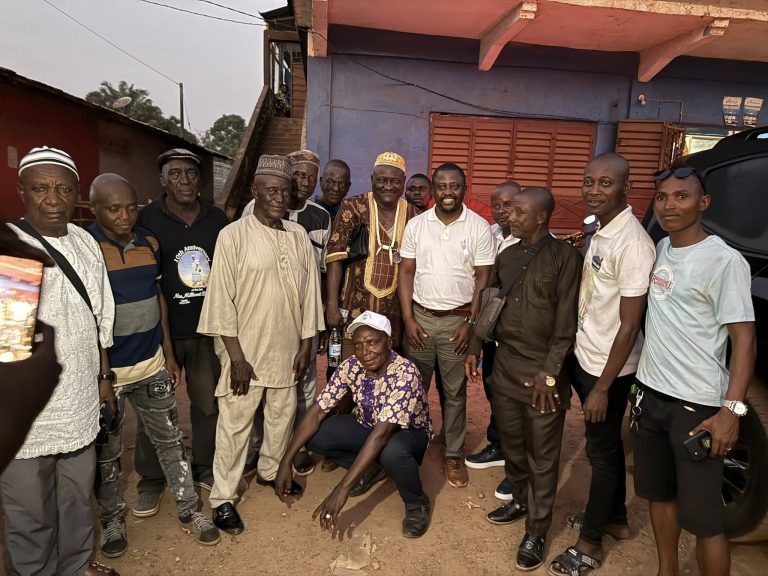
Sesay also highlighted findings from Mobile Legal Clinics conducted in Moyamba District by seven State Counsel and paralegals. The exercise provided legal information, advice and counselling to community members, while individuals requiring further assistance were referred to the appropriate authorities.
He further stated that the clinics reached 325 participants, comprising 198 men and 127 women. Of this number, 264 participants received legal advice, while 61 were referred to relevant authorities for further assistance. Six persons with disabilities were also identified and given attention in consideration of their particular needs and challenges.
Among the major concerns identified during the clinics were excessive delays in resolving cases, exploitation, bribery and corruption, lack of knowledge about legal procedures, high litigation costs, excessive fines and abuse of process. Other issues included conflicts of interest and bias among some justice sector actors, discrimination against women and children in inheritance matters, persistent land disputes and inadequate human and institutional resources.
During the interactive discussions, participants expressed appreciation to the Office of the Attorney General and Minister of Justice for organising the engagement, describing it as an important learning opportunity that allowed community members to raise concerns directly with justice sector representatives.
Participants identified inadequate and poorly equipped barrays, alleged police interference in the administration of customary law, and the absence of regular salaries for some customary justice actors among the challenges affecting justice administration in the district.
They called on the Government to address these concerns, improve the working conditions of justice sector personnel and strengthen the institutions responsible for administering justice at the community level. They also appealed for similar engagements to continue in Moyamba and other parts of the country.
The United Nations Development Programme (UNDP), which supported the initiative, is the United Nations’ lead agency on international development, working in 170 countries and territories to eradicate poverty and reduce inequality. Its work focuses on sustainable development, democratic governance and peacebuilding, as well as climate and disaster resilience. Through its support for the Mobile Legal Clinics and Interactive Justice Hubs, UNDP is contributing to efforts to identify barriers to justice and strengthen access to legal services for vulnerable communities in Sierra Leone.
The Office of the Attorney General and Minister of Justice continues to pursue efforts to improve access to justice across the country, particularly for people in rural and underserved communities. Through the deployment of State Counsel and paralegals to conduct Mobile Legal Clinics and the establishment of Interactive Justice Hubs in Falaba, Kailahun and Moyamba districts, the Office is creating opportunities for citizens to receive legal information, advice and referrals while engaging directly with justice sector institutions on challenges affecting their communities. These interventions form part of its broader commitment to people-centred justice reforms and strengthening the rule of law.
The Justice Hub initiative is expected to contribute to documenting community justice needs, identifying institutional gaps, developing practical solutions and establishing appropriate referral and reporting mechanisms. The ultimate objective is to ensure that the concerns raised by communities inform practical reforms and contribute to more accessible and effective justice delivery across Sierra Leone.